
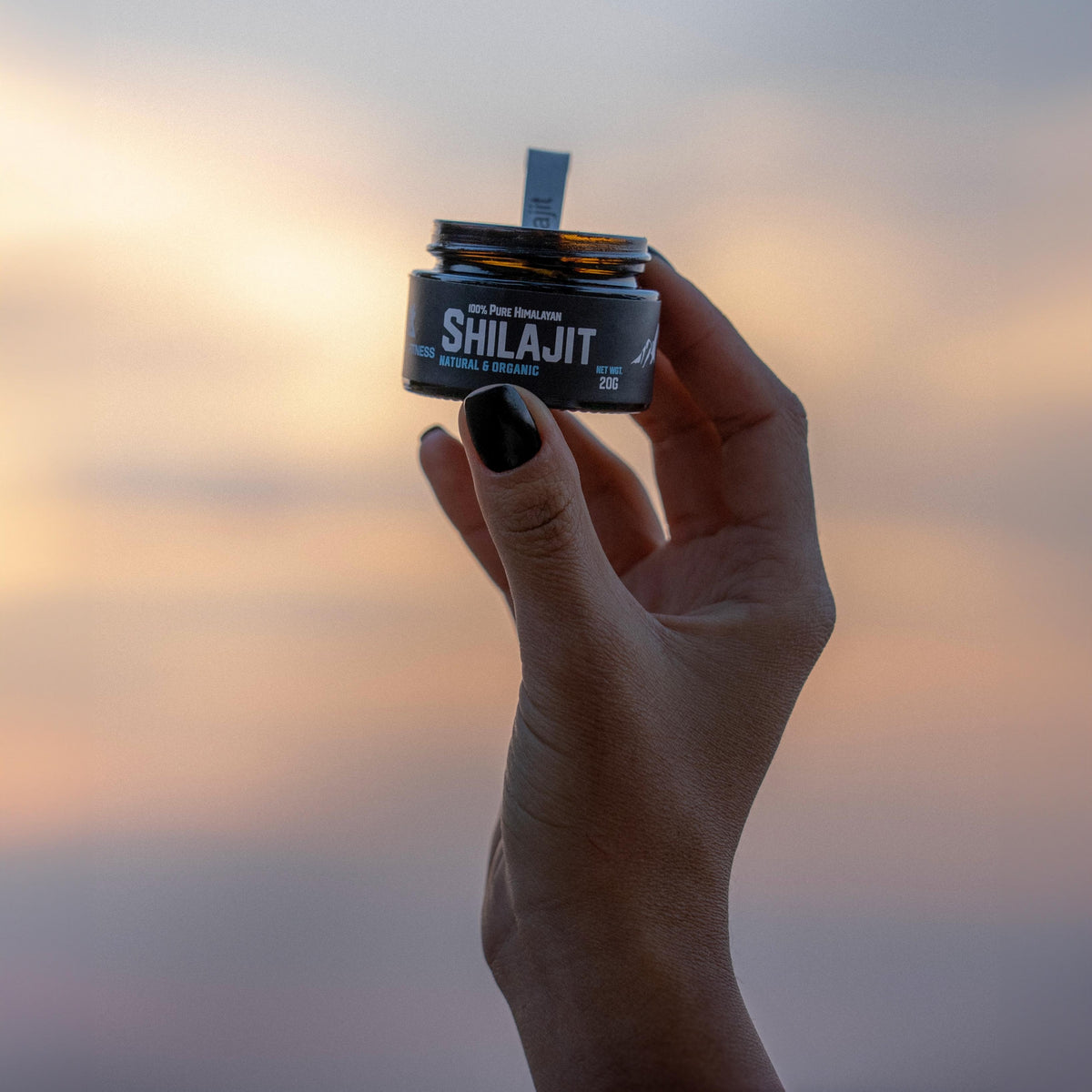
A Substance Thousands of Years in the Making
Shilajit resin is one of the most distinctive natural substances used in traditional wellness practices. Found seeping from the cracks of high-altitude mountain rocks — primarily in the Himalayas, Altai, and Caucasus ranges — it forms over centuries through the slow compression and decomposition of plant matter and organic minerals.
The result is a dense, tar-like resin that is extraordinarily rich in bioactive compounds, most notably fulvic acid and over 80 trace minerals in ionic form. It's this unique composition that has made shilajit a prized substance in Ayurvedic tradition for thousands of years.
Where Does Authentic Shilajit Come From?
The finest shilajit resin is sourced from altitudes between 3,000 and 5,000 metres above sea level. At these elevations, the extreme pressure, temperature cycles, and mineral-rich rock create ideal conditions for the resin to develop its potent profile.
Himalayan shilajit is considered the gold standard. The mountain range's geological richness — formed from the collision of the Indian and Eurasian tectonic plates over 50 million years ago — means the rock layers are densely packed with ancient organic material. Over centuries, microbial activity and pressure transform this material into the resin we know as shilajit.
During the warmer summer months, the resin oozes naturally from rock faces. Experienced harvesters collect it by hand before it is carefully purified to remove any impurities picked up during this process.
What Is Shilajit Made Of?
Shilajit's most studied and significant component is fulvic acid — a naturally occurring compound formed when organic matter breaks down in soil. Fulvic acid is known to support the transport of nutrients into cells and the removal of waste products, and it's what gives high-quality shilajit much of its characteristic activity.
Alongside fulvic acid, authentic shilajit resin contains:
- Humic acid — another organic acid with antioxidant properties
- Dibenzo-alpha-pyrones (DBPs) — unique compounds that support cellular energy processes
- Over 80 trace minerals — including magnesium, zinc, iron, and copper in bioavailable ionic form
- Plant-based amino acids and peptides — from the ancient plant material that formed the resin
This complex composition is what makes shilajit genuinely different from a simple mineral or vitamin supplement — it's a naturally complex substance that no laboratory has successfully replicated.
Not All Shilajit Is the Same
The quality of shilajit varies enormously depending on its source and how it has been processed. Powder and capsule forms are often heavily diluted or made from low-grade shilajit. Pure resin, collected and purified carefully from high-altitude sources, preserves the natural compound profile far more effectively.
When choosing shilajit, look for resin form from authenticated Himalayan sources, with third-party lab testing to confirm purity and fulvic acid content.
Our Shilajit Resin is sourced from high-altitude Himalayan rock faces and purified to preserve its natural compound profile — available for £25.
A Substance Rooted in Tradition, Studied by Modern Science
Shilajit has been referenced in Ayurvedic texts dating back over 2,000 years, where it was considered a foundational substance in traditional wellness. Modern researchers have begun to examine the compounds it contains, with interest focused particularly on fulvic acid and the dibenzo-alpha-pyrones.
If you're curious about how it's used and what the research says about its potential, read our guides on how to take shilajit resin and what the research shows about shilajit benefits.


Leave a comment
This site is protected by hCaptcha and the hCaptcha Privacy Policy and Terms of Service apply.